
Basque Shepherds’ Walking Sticks, Land of Shepherds
An ancestral companion, between tradition and utility
Handcrafted in our workshop, they are designed as true walking companions—durable, reliable, and understated—true to the spirit of Basque craftsmanship.

A land of pastoralism for over 5,000 years
From the peaks of La Rhune, Jaizkibel, Ganekogorta, and Ganalto, to the great Pyrenean massifs such as Aneto, Vignemale, and Mont Perdu, the Basque walking stick has accompanied those who traverse the mountains for centuries.
As early as the High Middle Ages, it became a cultural heritage in its own right. Shepherds, herders, walkers, foragers, pilgrims, climbers, and simple hikers have long used it to support themselves, protect themselves, find their way, and ease physical effort.
The shepherd’s stick: a working tool and a symbol
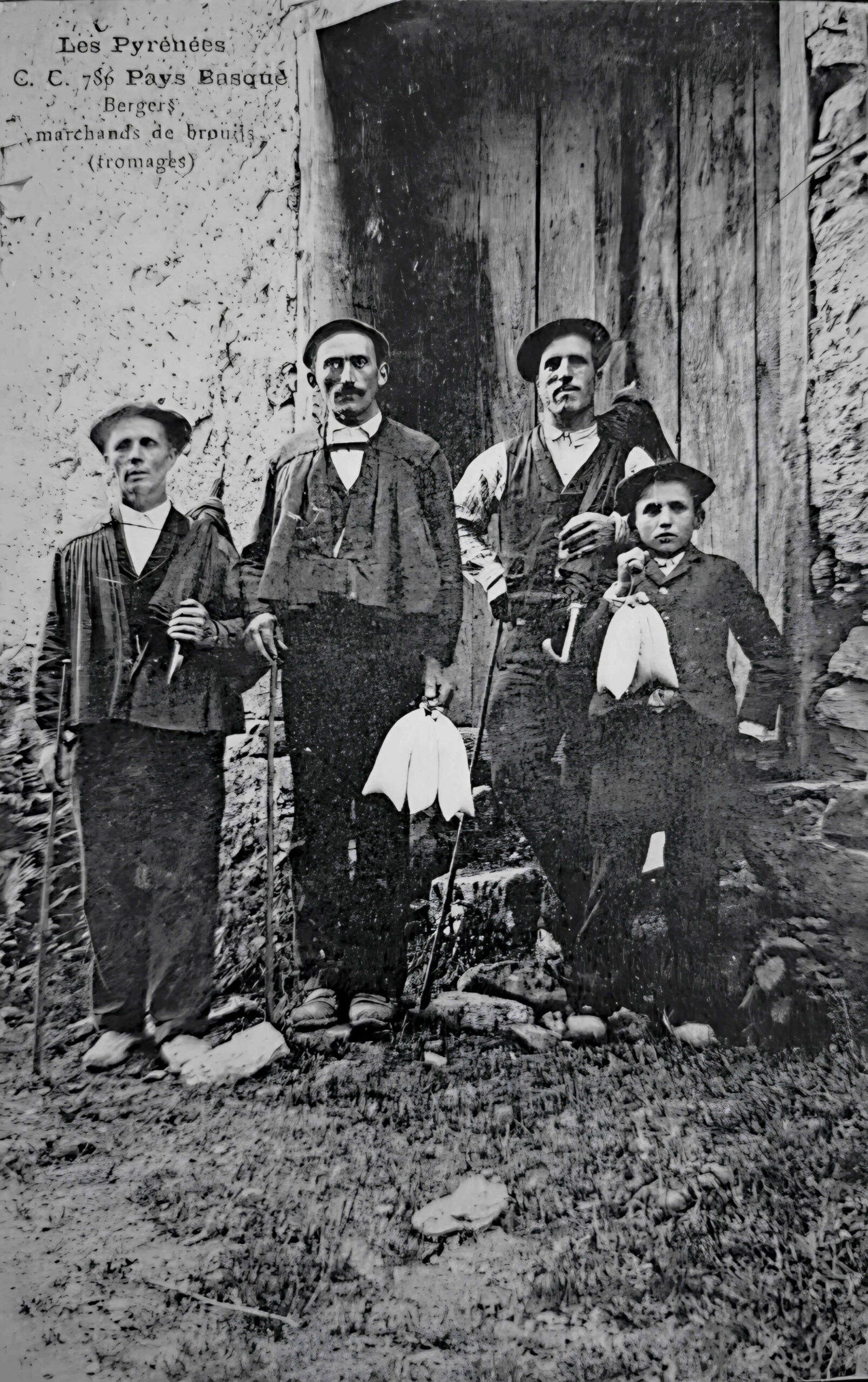
Since time immemorial, Basque shepherds—renowned among the best in the world—have used the stick during transhumance and while watching over their flocks.
Saint Mark’s Day, on April 25th, still marks the ascent to summer pastures today, a key moment in the pastoral calendar.
Tall and sturdy, the stick allows for:
- sustained support while standing,
- reaching fruit at height,
- defense against animals,
- guiding and protecting the flock while on the move.
Traditionally made from hazel or chestnut wood, it combines lightness, flexibility, and strength—essential qualities that allow it to bend without breaking.
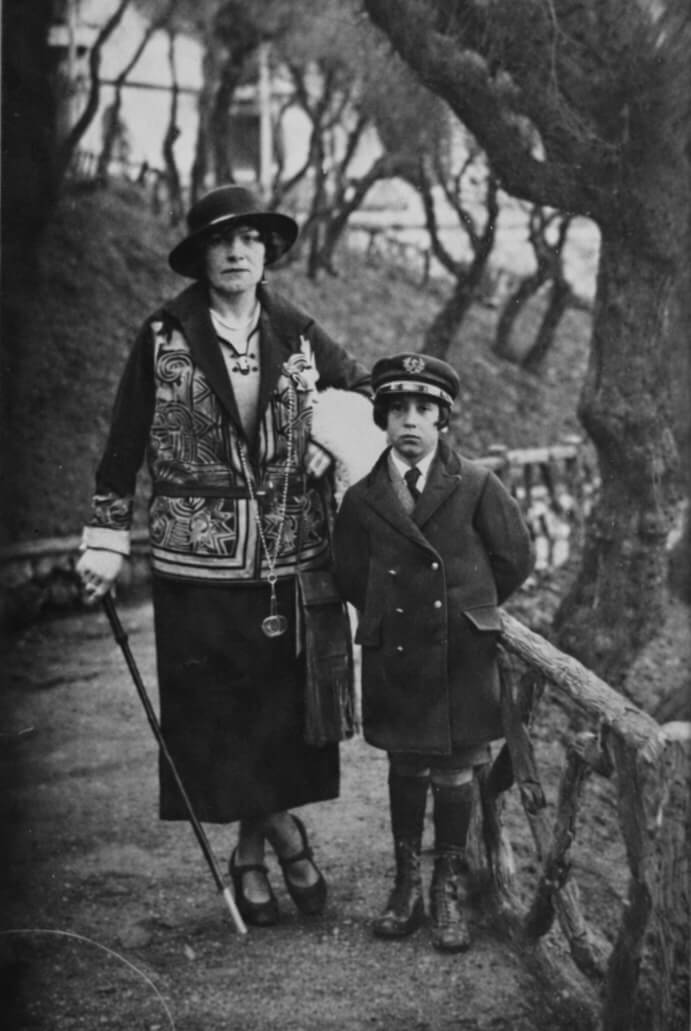
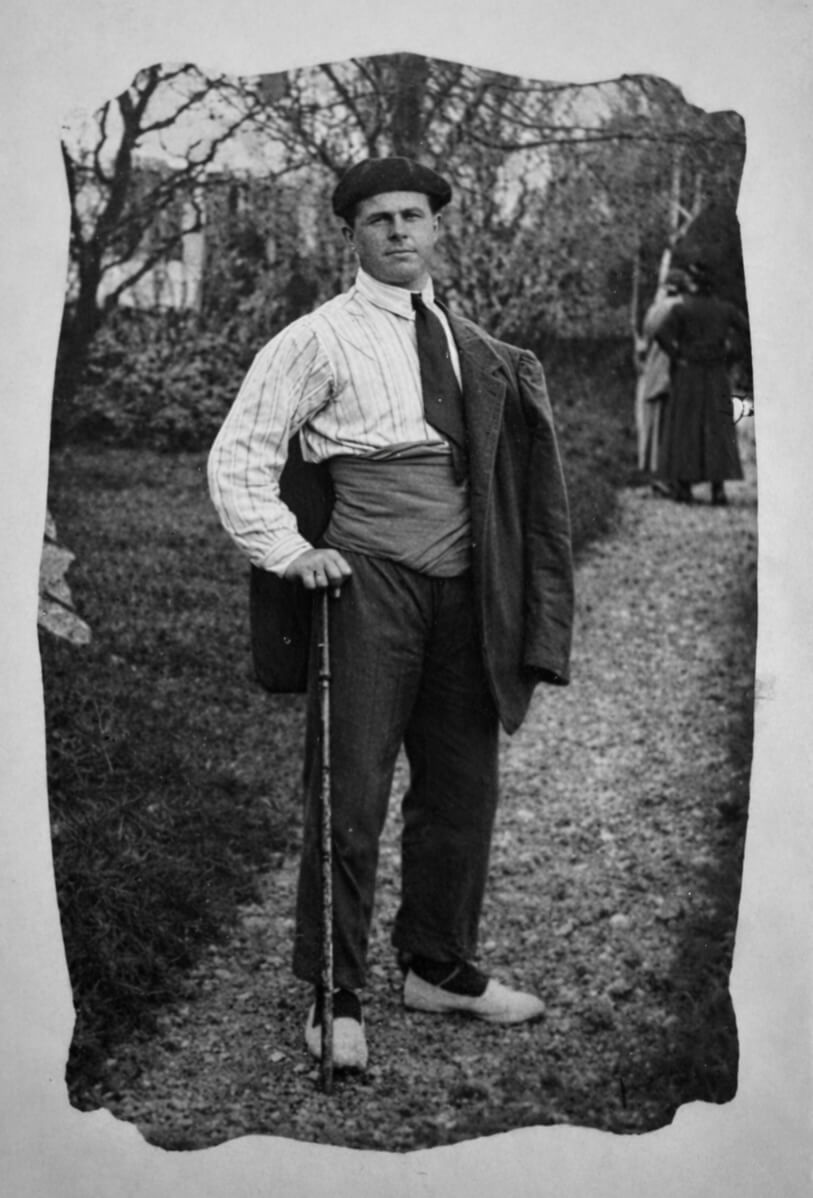
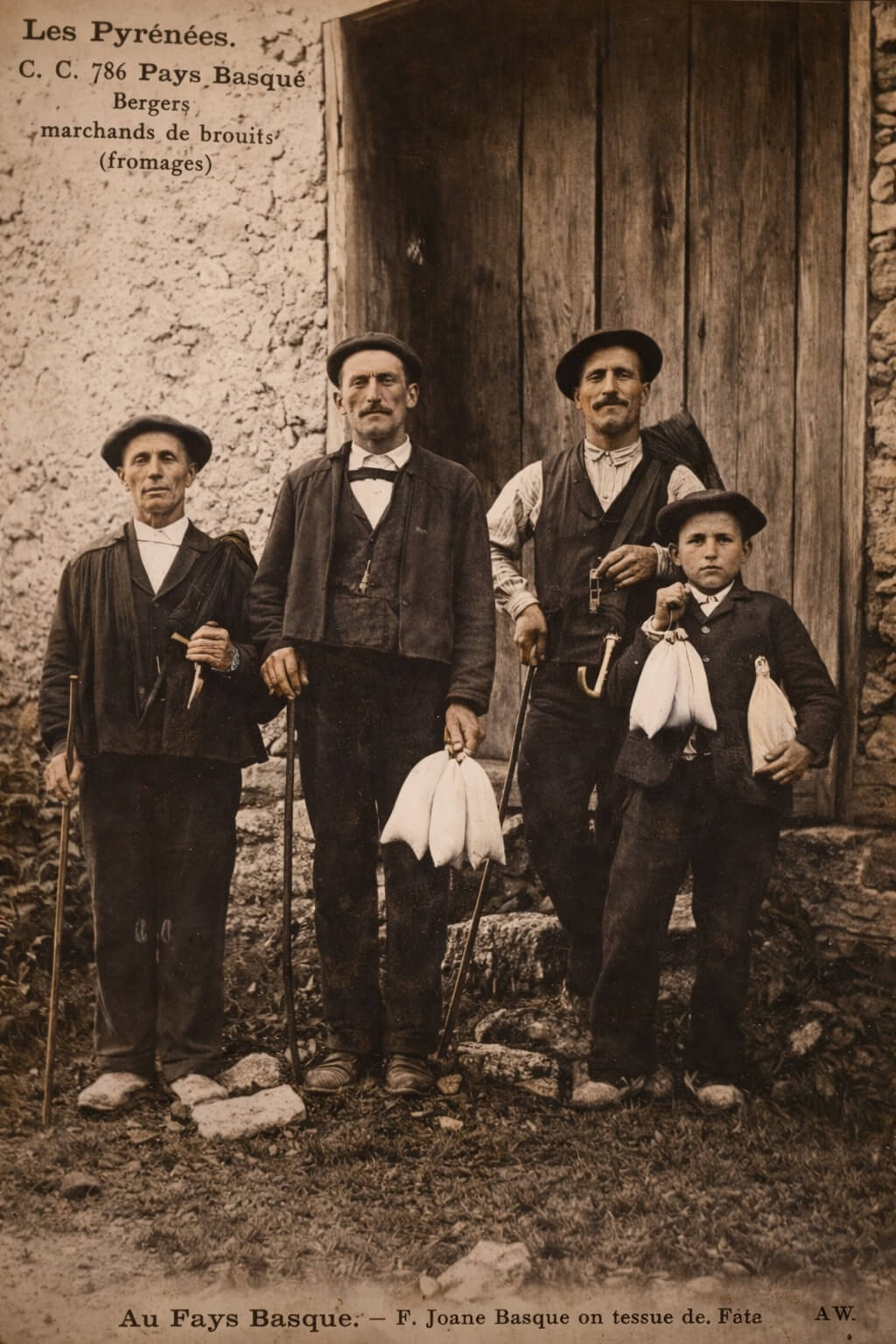

Iconic creations of the Basque Country
The character of Olentzero, the shepherd who announces the birth of Christ, perfectly embodies the silhouette of the Basque shepherd: wide beret, sheepskin cloak, and a tall wooden stick with dark bark. The walking stick is also omnipresent in traditional Basque religious representations, including the pastorales (pastorala), where participants appear carrying pastoral staffs.
From pastoral life to pilgrimage routes
The pilgrim’s staff (bourdon), a long iron-tipped stick sometimes topped with a knob or a gourd, served both as support and as a means of defense.
Strength and flexibility remain the two essential qualities of these sticks, inherited directly from the shepherd’s staff.
Mountains, hiking, and the evolution of use
At the beginning of the 20th century, with the rise of hiking and mountaineering, the Basque walking stick remained an indispensable companion.
In the 1930s, it was sometimes enhanced with a braided leather strap, a wooden or horn pommel, and decorative nails—directly inspired by cattle collars and bells.
Not to be confused: shepherd’s stick and Makila
The Makila is a specific ceremonial cane, featuring a concealed metal spike, leather braiding, and made from engraved medlar wood.
A complex, honorary, and prestigious object, it belongs to a different artisanal tradition.
At Couteau Basque, we clearly uphold the traditional shepherd’s stick—simple, rustic, and functional—and leave the making of Makilas to specialized artisans.
Why choose a “Terre de bergers” Basque walking stick?
Proven durability over centuries
Local materials, free from artificial treatments
Craftsmanship respectful of plant life
Functionality before ornament
Fair and reasonable pricing
As noted by ethnographer Fermin de Leizaola:
“Traditional Basque craftsmanship seeks above all the functionality of the crafted object, without denying an awareness of the historical traditions that have been passed down.”
The Basque shepherd’s stick symbolizes simplicity and sobriety, but also authority, protection, and victory.
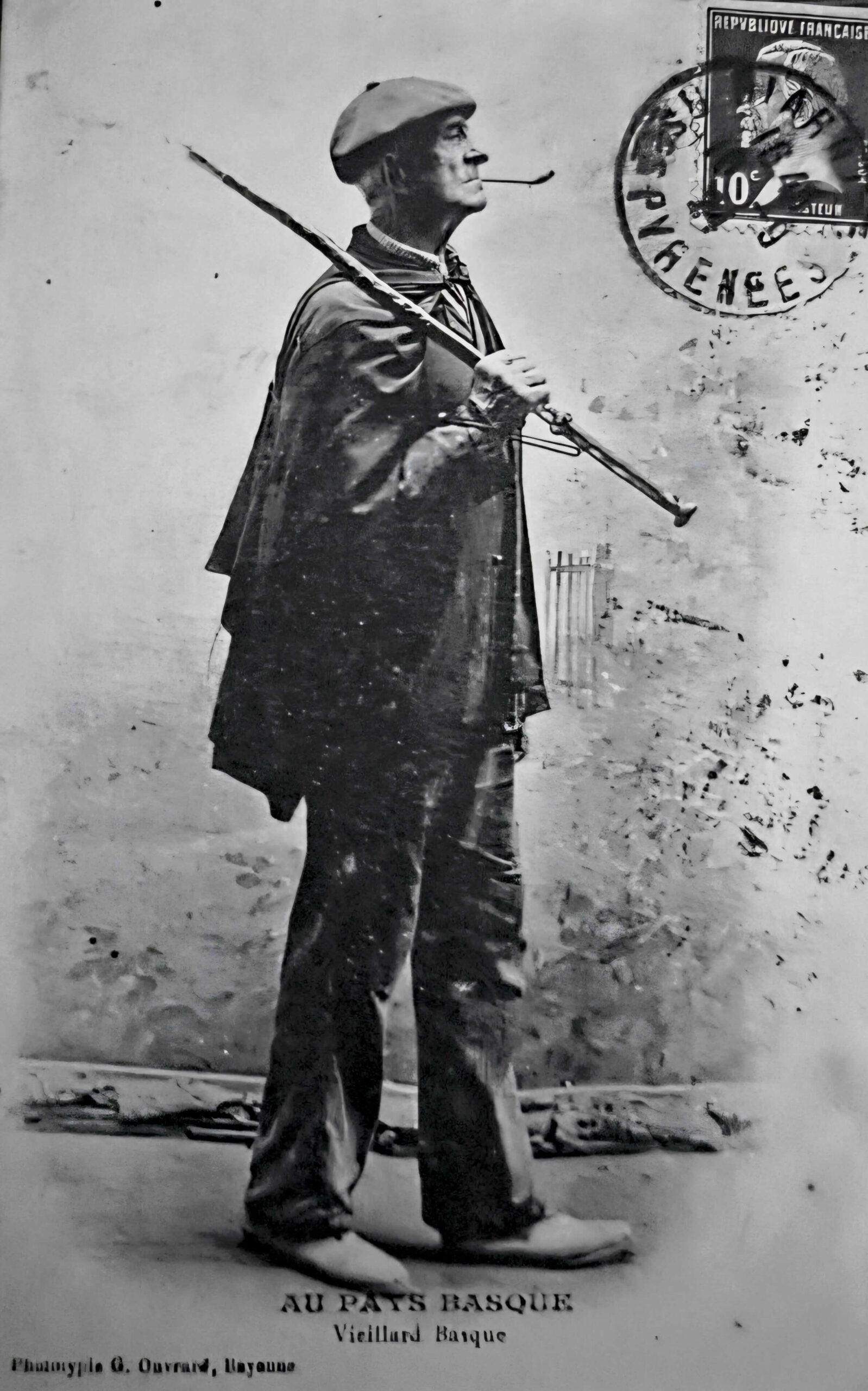

Made from chestnut wood, cut during the winter dormancy period, our walking sticks are available in several heights (100, 120, and 135 cm), true to traditional proportions.
They are fitted with:
● a braided leather wrist strap,
● a galvanized metal ferrule with spike,
● traditionally peened rivets,
● a black horn pommel, shaped and engraved in the workshop.
Each stick is delivered with:
● a handcrafted fabric sleeve,
● a removable rubber tip for urban walking
Personalisation & transmission
Each stick thus bears a personal story, while remaining part of a collective tradition.
The Terre de bergers Basque shepherd’s stick is neither a fashion accessory nor a decorative object.
It is an ancestral tool, respectfully reinterpreted, designed to accompany those who walk, observe, protect, and take the time.