History of Cutlery in the Basque Country
An ancient tradition, deeply rooted in the land.
Long before industrialization, knife-making was an integral part of Basque economic and artisanal life, particularly in Bayonne, a major commercial and port hub.
For several centuries, Bayonne’s master cutlers were affiliated with the Faures guild—the forgers, in Gascon—one of the city’s three most important corporations. This affiliation highlights the close relationship between ironworking, forging, and blade-making.

The Rise of Bayonne’s Cutlers
During the 14th and 15th centuries, cutlery workshops—particularly those located on Rue des Faures—enjoyed a strong reputation. Bayonne-made pocket knives and penknives appear in noble inventories, notably during the reigns of Henry II and Guillaume de Montmorency, attesting to their quality and wide distribution.
The Bayonet: Bayonne’s Moment of Glory
Under Louis XIV, the regiment of fusiliers was the first to be equipped with this weapon, which would go on to profoundly transform European military practice.
Following the 1696 edict requiring the registration of coats of arms for tax purposes, Bayonne was officially assigned, in 1700, a coat of arms depicting a silver bayonet on a black field. Although the city paid the required 100 livres for its registration, these arms were never adopted or used by the people of Bayonne.

Bayonne Master Cutlers and Artisans of the Region
Bayonne Master Cutlers
• Bernard de Loubis (1583)
• Jean Desbarbés (1694)
• Arnaud Taniet, Charles Videlin, Bernard Dissequis (1712)
• Jacques Larran (1726)
• Jacques Lizardie (1731)
• Baptiste Berlon, Martin Bordenave, the widow Lesbats, Clément Dupuy, Jean Casenave (late 18th century)
Cutlers of the Basque Country and Béarn
• Pascoal and Michel d’Andragnes – Saint-Jean-Pied-de-Port
• Pierre and Guillaume Lalanne – Hasparren, Bayonne
• Isaac Bordabehere – Saint-Palais
• Pierre and Jean Dufourcq – Espelette, Saint-Jean-de-Luz
• Jean Dabos – Saint-Jean-de-Luz
• Pierre Bordenave of Garris, who emigrated to Buenos Aires in 1849
• And many other artisans in Oloron-Sainte-Marie, Orthez, Mauléon-Licharre, Bidart, Isturits…
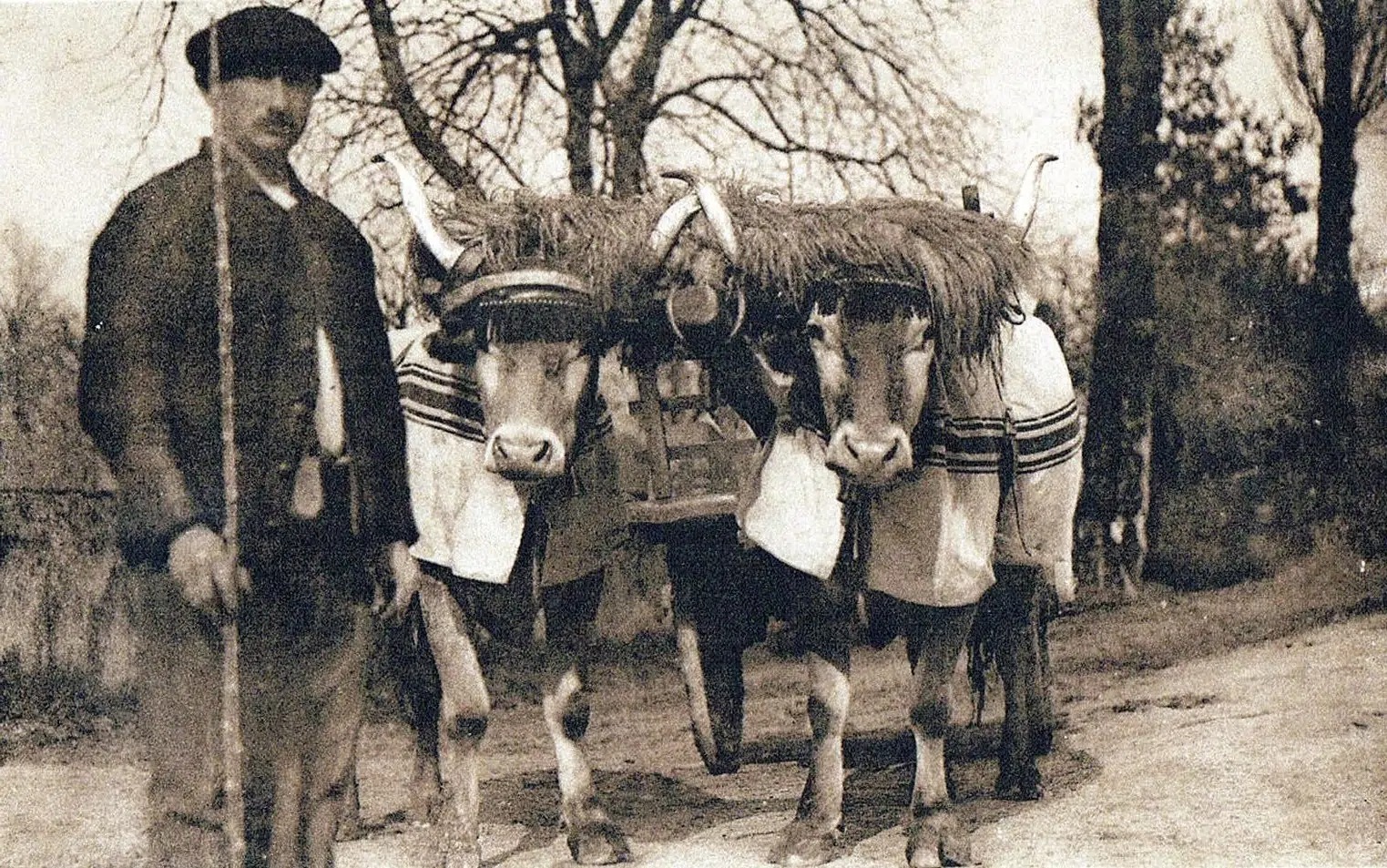
This geographical spread illustrates a rural, utilitarian form of cutlery, deeply connected to everyday uses: those of shepherds, farmers, and travelers.
A living history, still passed on today
Returning to fundamentals means preserving time-honored gestures, adapting historical forms to contemporary uses, and sustaining a sincere cutlery craft—one that respects its history and its land.
Across the centuries, master cutlers of the Basque Country and Béarn have shaped far more than blades: they have passed on a culture of gesture, material, and utility—one that remains very much alive today.