The Couteau Basque Workshop
The Couteau Basque Workshop
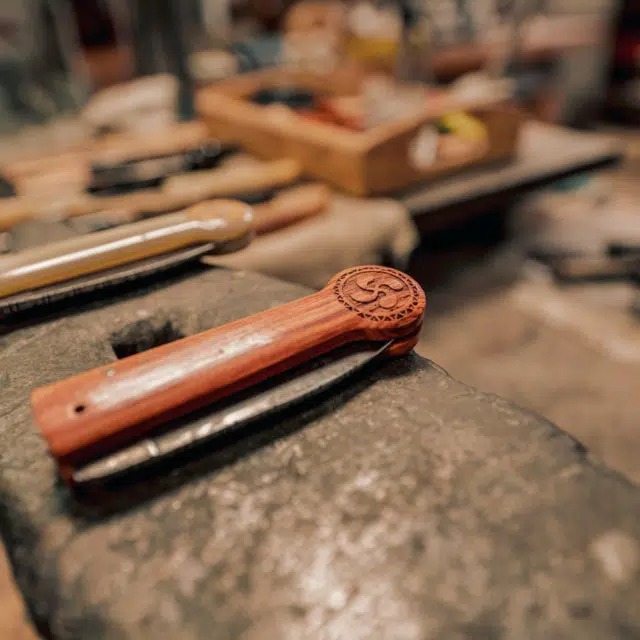
Located in the Jorlis craft district, this building already housed a metalworker’s forge in the 1930s. Even today, fire, metal, and the artisan’s hand continue their dialogue here, perpetuating the spirit of the place.
It is within this workshop, steeped in memory, that Christophe and Séverine shape each knife, respecting traditional gestures and the time required for work done right.

A fully mastered artisanal process
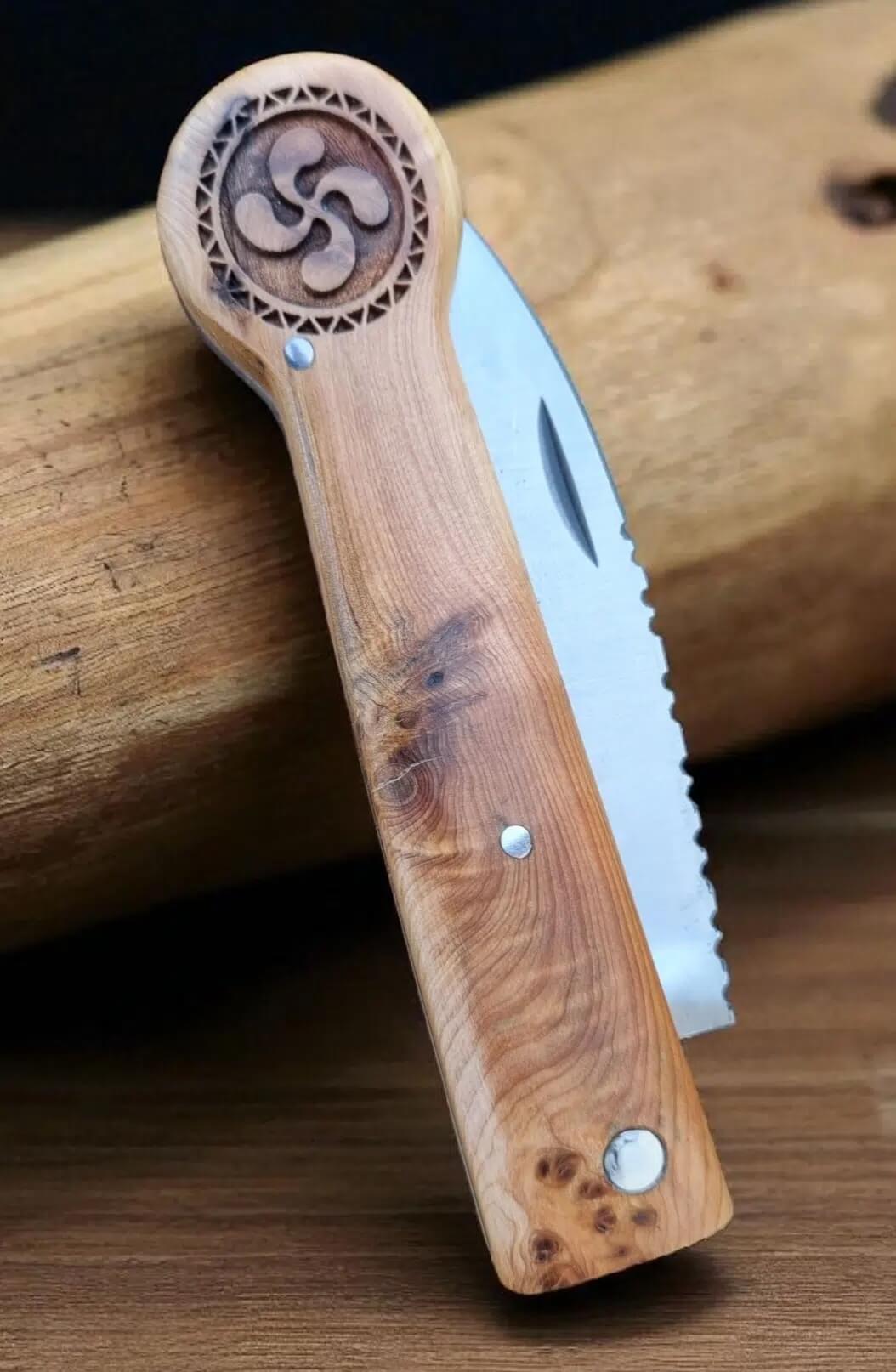
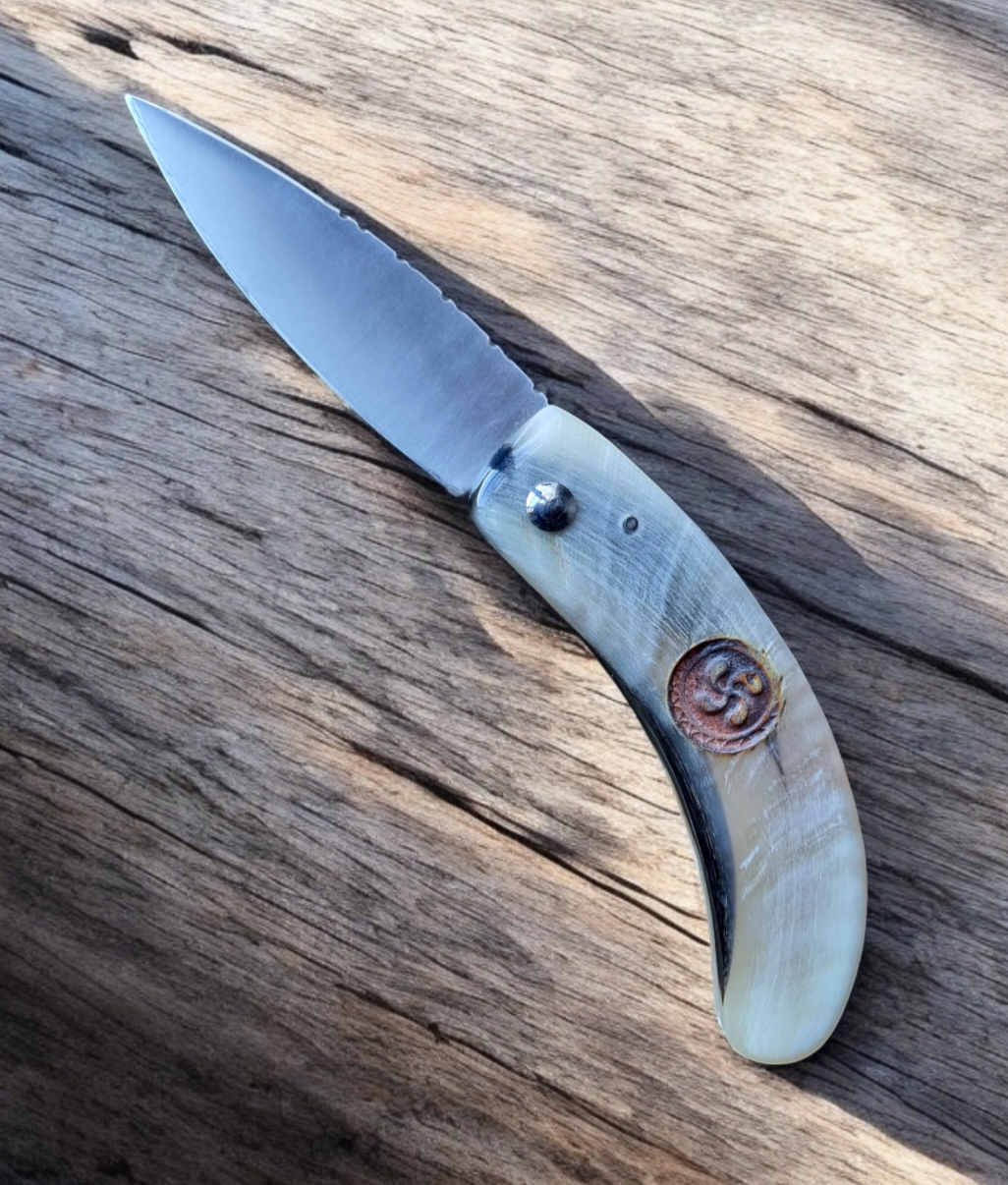
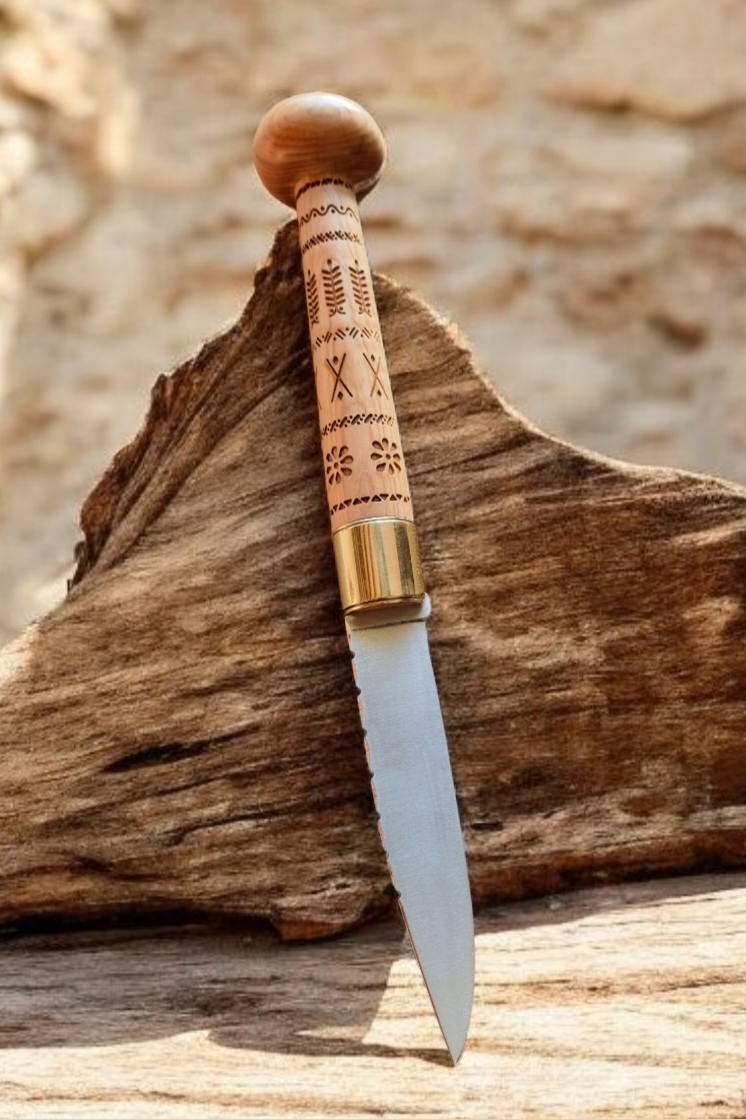
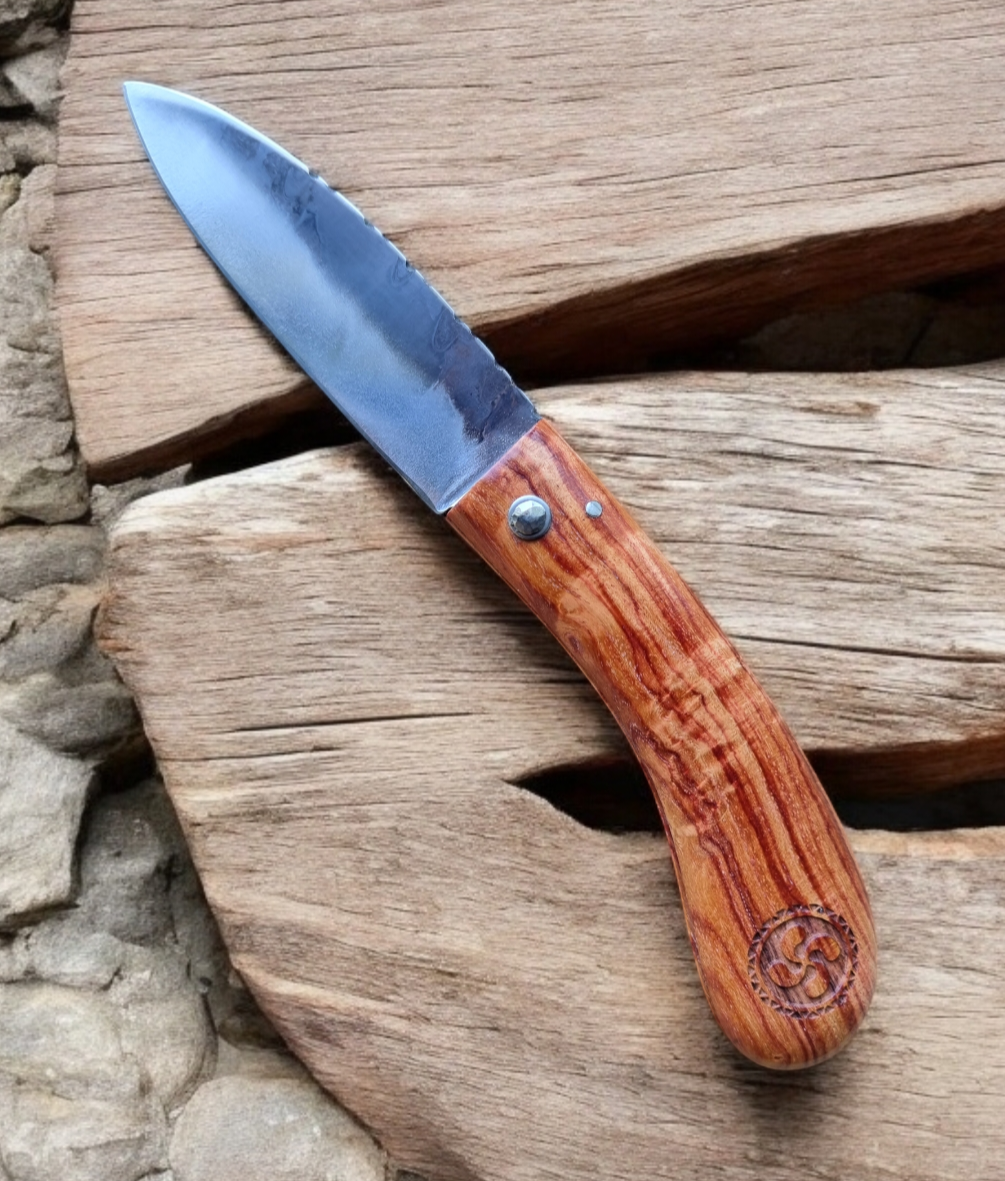
Handles are hand-shaped from carefully selected natural materials: horn and wood from the Basque Country, as well as, depending on the project, rarer materials such as snakewood or mammoth ivory. Each material is worked with respect for its unique properties, ensuring strength, balance, and aesthetics.
Blade work: the heart of the craft
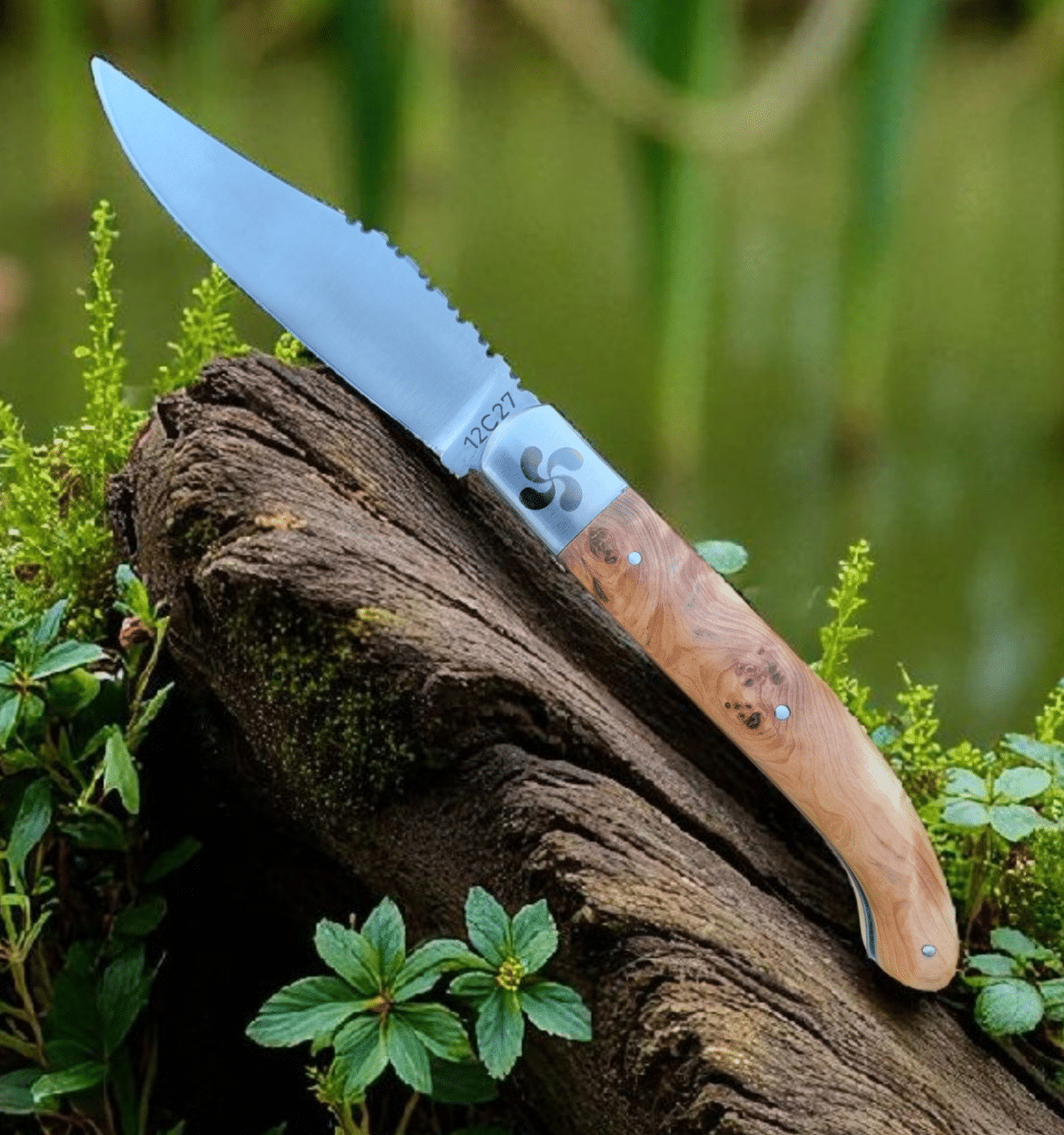
Stainless steel blades, meanwhile, are prepared in Thiers—the historic capital of French cutlery—before being mounted and precisely adjusted in the workshop.
Each blade is then assembled, fine-tuned, and finished with care, ensuring a knife that is both functional, durable, and truly unique.
Iconic knives of the Basque Country
The Shepherd’s Knife, whose blade contour is inspired by traditional sheep-shearing scissors
The Basque Knife, whose shape, documented as early as 1722, evokes the discoidal stela
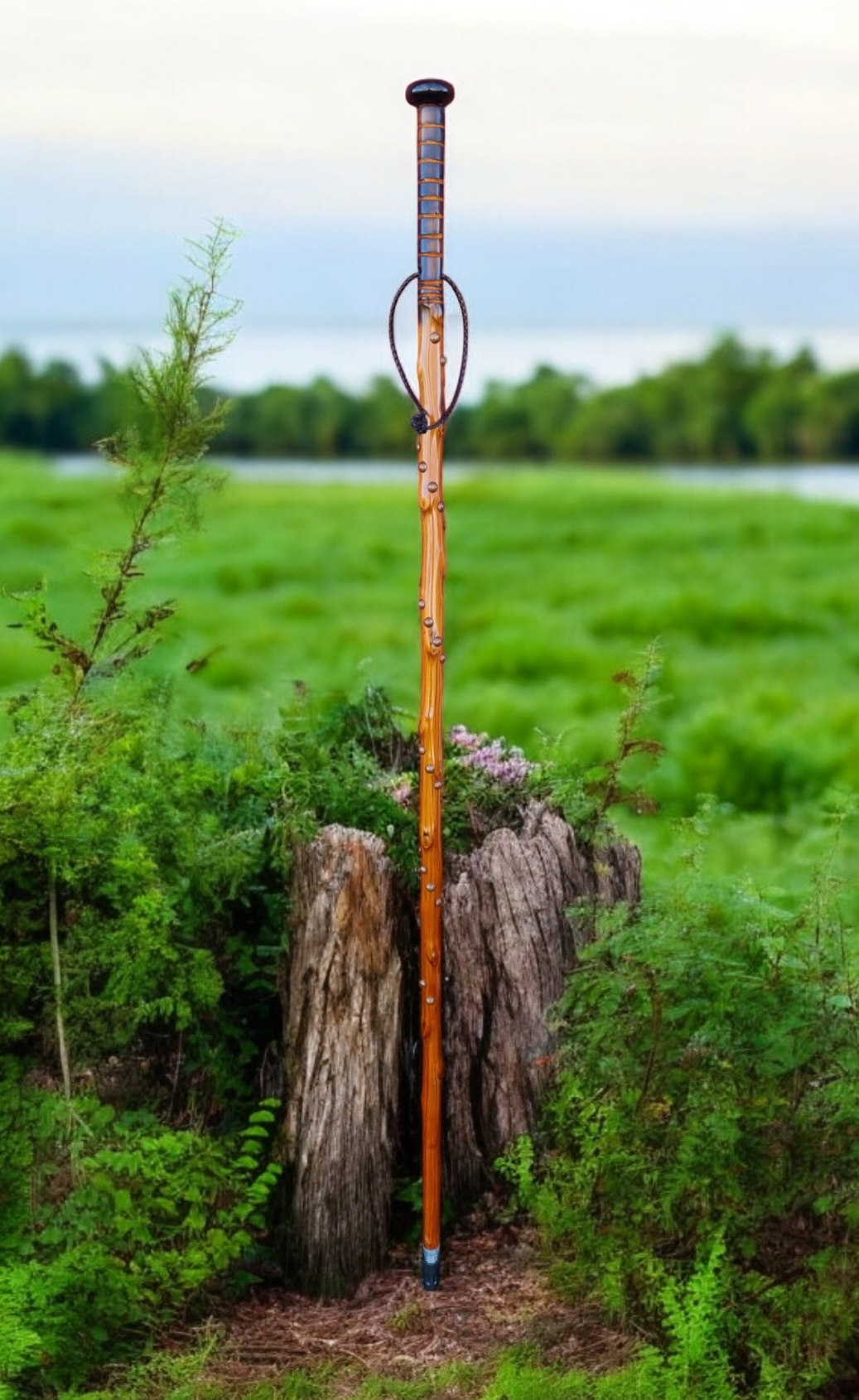
The Makila Knife, reflecting the elegance and spirit of the traditional Basque walking stick
The Espelette Knife, whose origins date back to 1871
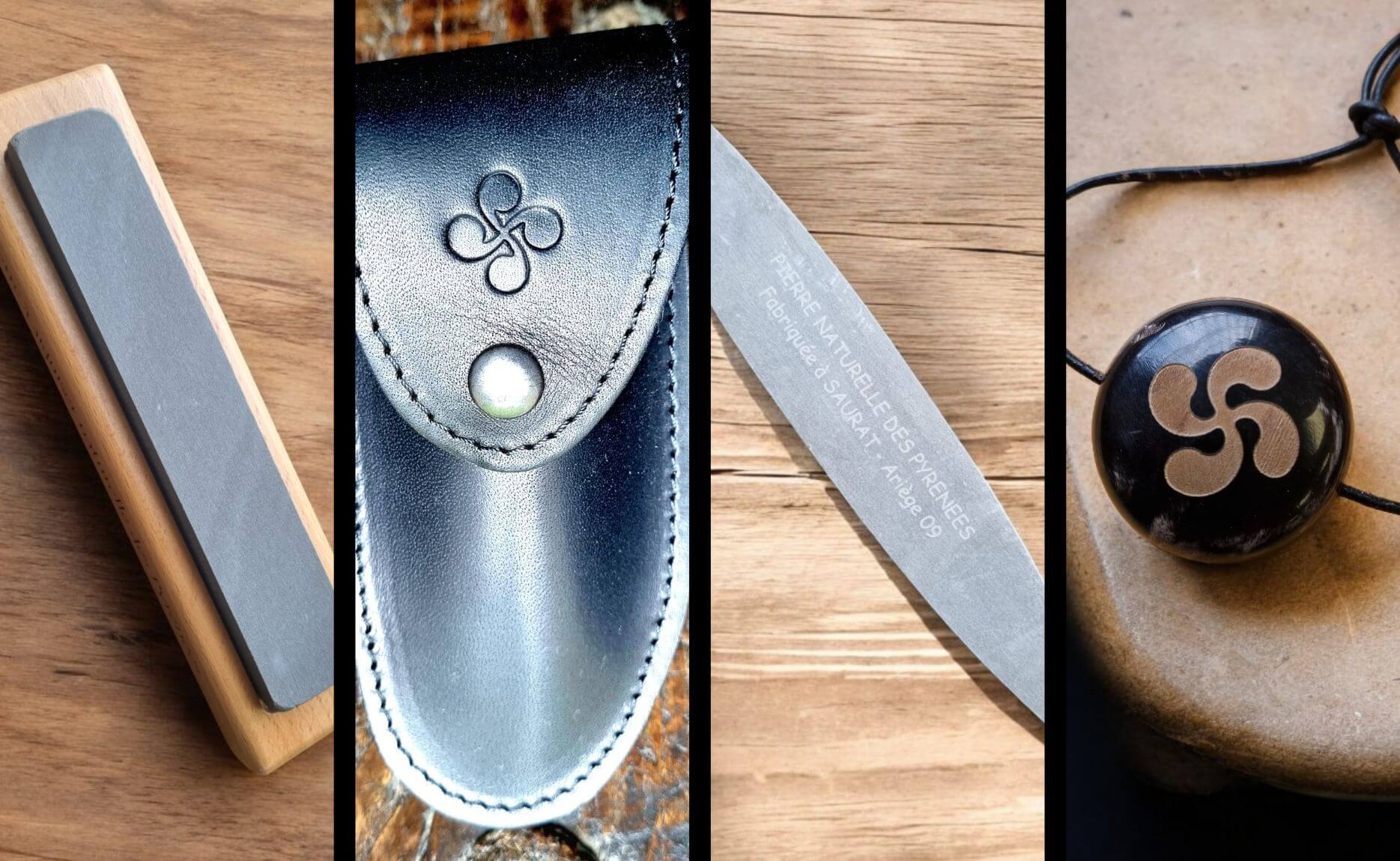
Each model is engraved with powerful symbols: the Basque cross (Lauburu) or ancient Basque emblems,
recalling the workshop’s deep attachment to its land and its history.
Unique pieces, crafted with passion